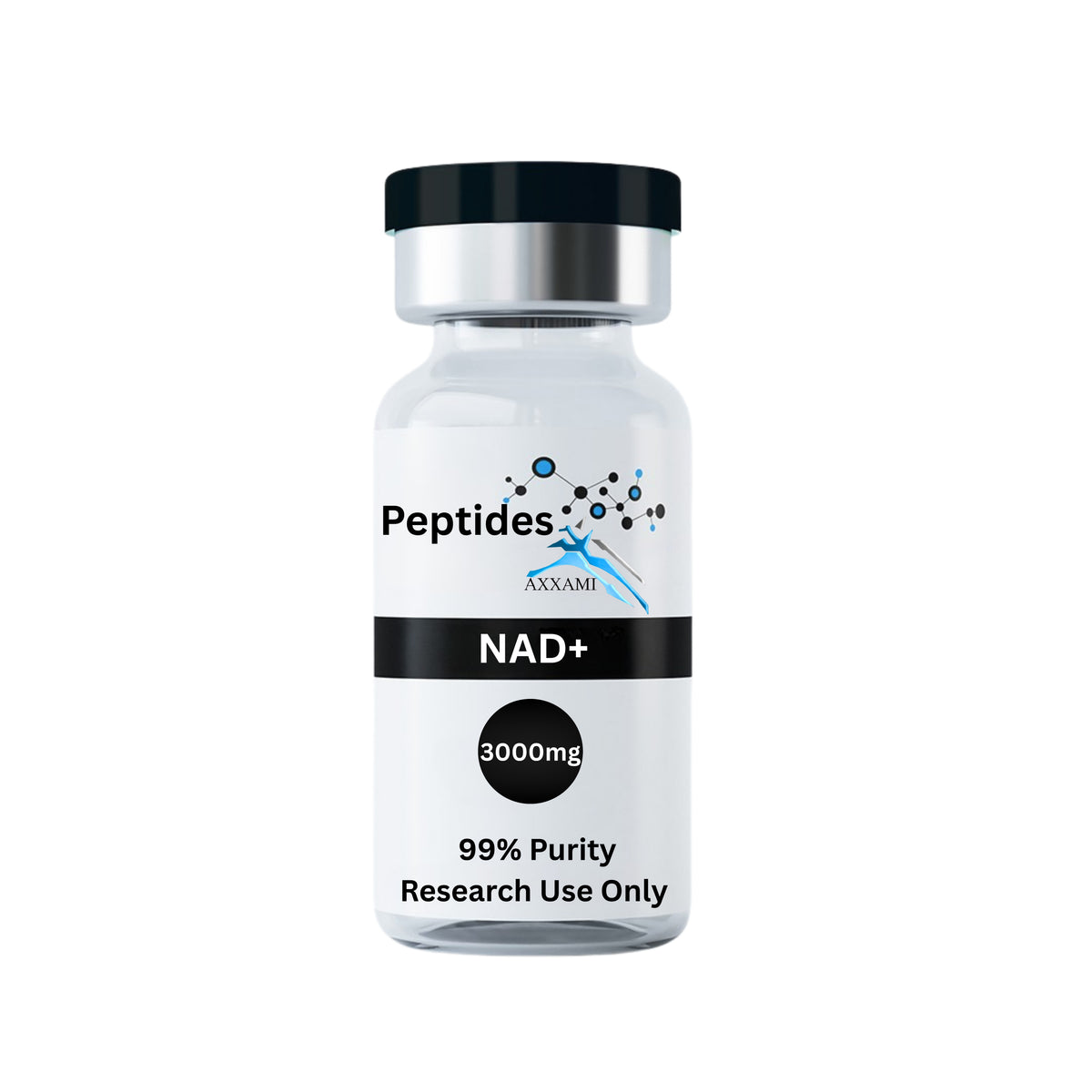
NAD+
NAD+
NAD+ (nicotinamide adenine dinucleotide) is a key cellular coenzyme essential for energy (ATP) production and DNA repair, being the active form of vitamin B3 which together with peptides, supports regenerative and anti-aging processes. Its levels decrease with age, affecting the aging of the body which is why supplementation with precursors (like NMN) is popular.
- What is NAD+?
§ Coenzyme: Naturally occurs in every cell and acts as an 'electron carrier' in metabola processes.
§ Energy: Converts nutrients into metabolic energy (ATP) for cells.
§ DNA Repair: Essential for the regeneration of genetic material.
§ Gene Regulation: Activates sit-ins, 'longevity' proteins that silence aging genes.
§ Antioxidant: Protects cells from damage caused by oxidative stress (free radicals).
§ Age-related Decline: NAD+ levels naturally decrease with age, accelerating aging processes and declining function.
- What are peptides and how do they interact with NAD+?
§ Age-related Decline: NAD+ levels naturally decrease with age, accelerating various cellular processes.
§ Interaction: NAD+ is often used together with peptides (e.g., in cosmetics or therapies) to enhance skin regeneration, collagen and elastin production and overall vitality.
§ Supplementation: To increase NAD+ levels its precursors are used (e.g., NMN - nicotinamide mononucleotide), which the body converts into NAD+.
~ The Effect of NAD+
- Supports the nervous system and brain health
It is also an important component for your nervous system. By acting as a coenzyme in redox reactions, it helps protect nerve cells from damage caused by oxidative stress. Research shows that NAD+ can support cognitive functions and memory, which is particularly significant in the context of an aging population. NAD+ supplementation can therefore help counteract neurodegenerative processes and support brain health.
- NAD+ and skin health
Regular NAD+ supplementation may also have a positive impact on your skin health. Due to its cell regeneration properties, it helps protect the skin from damage caused by UV radiation and free radicals. Research shows that it may reduce wrinkles and improve skin elasticity, contributing to a younger appearance and better well-being.
- NAD+ and metabolic heath
NAD+ supports metabolism and helps with weight management. The role of NAD+ in regulating blood sugar levels may be crucial for people with diabetes and metabolic issues. By improving mitochondrial function, it supports efficient calorie burning and maintaining a healthy body weight.
- NAD+ and improvement of physical performance and recovery
It is invaluable for athletes and physically active people. NAD+ accelerates recovery after intense exercise, reducing muscle fatigue and supporting the energy restoration of cells. Supplementation with it can improve physical performance, which translates into better sports results and faster recovery.
- NAD+ and reproductive health
The effects of this compound on the reproductive health of women and men are increasingly recognized. Studies show that NAD+ supplementation may improve sperm quality in men and support reproductive functions in women, which is particularly important for couples trying to conceive. It may increase the chances of conception by improving the health of reproductive cells.
- NAD+ and the treatment of chronic diseases
It may be helpful in the treatment of chronic diseases such as diabetes, fibromyalgia, or Parkinson's. Clinical studies show that NAD+ can improve the quality of life for patients with these conditions by supporting mitochondrial function and reducing oxidative stress. Supplementation can be an effective complement to therapy in treating these diseases.
- NAD+ therapy is particularly recommended in situations where the body shows signs of energy
§ In people with symptoms of chronic fatigue.
§ In conditions of increased oxidative stress.
§ In neurodegenerative diseases, such as multiple sclerosis.
§ In cases of metabolic disorders, such as insulin resistance or metabolic syndrome.
- Why does NAD+ level decrease with age?
As we age, the level of NAD+ in the body naturally decreases. The main cause of this phenomenon is the increased activity of the enzyme CD38, which reduces the availability of NAD+ by breaking it down. This in turn, leads to a decrease in cellular energy, impaired mitochondrial function, and accelerated aging of the body.
NAD+ deficiency is also associated with a weakened immune system, disruptions in the circadian rhythm and an increased risk of DNA damage caused by oxidative stress. A decrease in NAD+ levels may be one of the main causes of age-related metabolic and neurodegenerative disorders.
- NAD+ and mitochondrial health
Mitochondria, known as “cellular power plants,” rely on NAD+ for ATP production. Its proper level supports the efficiency of oxidative phosphorylation, which translates into better condition of tissues with high energy demands, such as the brain, muscles, heart and skin. Research suggests that increasing NAD+ levels may support mitophagy the process of removing damaged mitochondria and replacing them with new ones. This helps cells maintain high metabolic efficiency even in older age.
- The impact of NAD+ on Skin and Anti-Aging Processes
Although NAD+ is mainly associated with cellular energy, its significance for skin health is increasingly well documented. Fibroblasts-cells responsible for producing collagen and elastin-require large amounts of energy, and therefore NAD+ to maintain their activity.
- NAD+ and the Nervous System
The nervous system is particularly sensitive to energy deficits. Adequate levels of NAD+ help protect neurons from damage, support neurotransmitter synthesis, and improve synaptic plasticity. Additionally NAD+ regulates the activity of PARP proteins which are involved in DNA repair in neurons. This action may be significant in the prevention of neurodegenerative diseases such as Alzheimer's and Parkinson's.
- NAD+ Dosage and Contraindications
Recommended NAD+ doses range from 100 mg to 1000 mg per day, depending on individual needs and health goals.
- Product Details:
§ Name: NAD+.
§ Catalogue Number: NJ500-67.
§ Molecular Formula: C21H27N7O14P.
§ Concentration: Lyophilised powder in 10ml vial.
§ Physical Form: Powder Form.
§ Purity Level: ≥99%
- Handling and Storage:
§ Storage: Store this product in a dry place, away from sunlight and moisture.
Storage temperature should not exceed 25°C.
§ Reconstitute: Reconstitute with Bacteriostatic Water. Swirl gently do not vortex.
§ After Reconstitute: Store at 2-8 °C. To minimise freeze thaw, prepare aliquots according to your protocol.
§ Compatibility: Use only within research protocols that follow your lab's SOPs and local regulations.
For Research Use Only
This product is supplied strictly for scientific research and laboratory experimentation. It is not intended for human consumption, clinical use or any form of therapeutic application.
Couldn't load pickup availability
Out of stock
View full details